Salvador for first-time visitors
A first-timer's orientation to Salvador, Bahia: how the city is laid out, what to prioritise, and how to approach Afro-Brazilian culture respectfully.
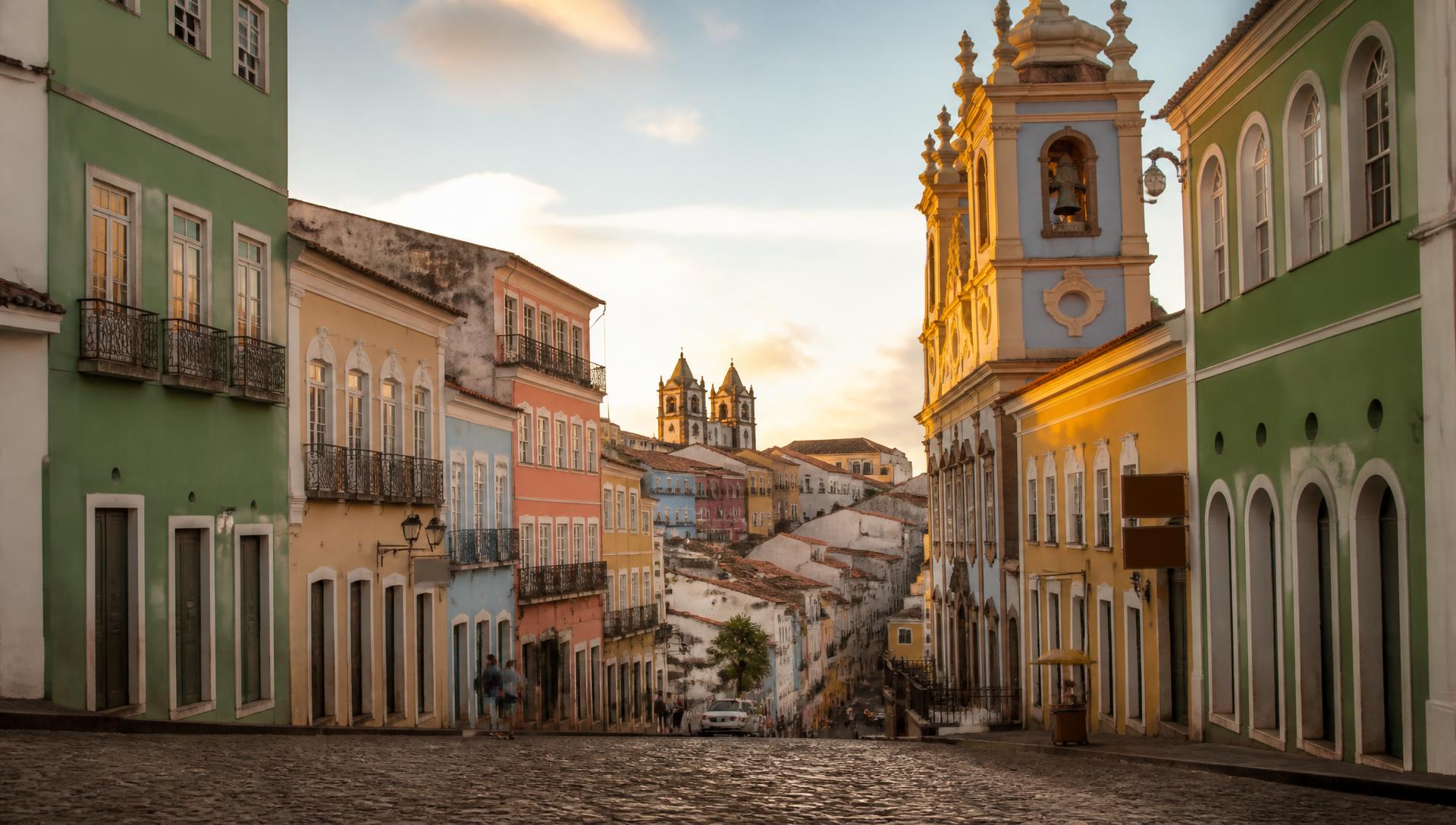
Salvador rewards visitors who arrive with a little context. It was the first capital of colonial Brazil and the main port of the Atlantic slave trade in the Americas, and that history did not stay in the museums: it shaped the food, the music, the religion, the language and the way the city sounds on an ordinary Tuesday. Come for the beaches if you like, but the reason people fall for Salvador is Afro-Brazilian Bahia.
How the city is laid out
Think of Salvador as three zones. The Historic Center sits on a cliff above the bay, split into Cidade Alta (Pelourinho, Terreiro de Jesus, Santo Antônio) and Cidade Baixa (Comércio, Mercado Modelo, Ribeira, Bonfim), connected by the Elevador Lacerda. From the Barra headland, where the bay meets the open Atlantic, the coast runs east through Ondina, Rio Vermelho, Pituba, Itapuã and Stella Maris towards the airport. Almost everything a first-time visitor wants sits in those two areas plus the bay itself.
What to prioritise on a short trip
- One guided walk through the Historic Center — context turns a pretty street into a place you understand.
- One museum or cultural centre dedicated to Afro-Brazilian Bahia, such as the Museu Afro-Brasileiro or MUNCAB.
- One proper Bahian meal: moqueca, or acarajé from a baiana who has been working the same corner for years.
- One afternoon by the water, whether that is Porto da Barra or a boat trip into the Baía de Todos-os-Santos.
- One night out in Rio Vermelho, where dinner slides into live music without much planning.
Approaching Afro-Brazilian culture with respect
Candomblé is a living religion, not a performance. Terreiros are places of worship. Visit only through authorised activities, ideally mediated by a local guide or a cultural institution, ask before photographing anything or anyone, and accept that some things are simply not for visitors. The same respect applies to capoeira circles, blocos afro rehearsals and the baianas selling acarajé, whose dress is religious as well as professional.
Rule of thumb: if you would not walk into a church mid-service with a camera raised, do not do it in a terreiro either.
Getting around, sensibly
- Use taxis, ride-hailing apps or accredited tours and guides according to the route you are taking.
- At night, prefer door-to-door transport, especially outside the busy axes such as Rio Vermelho or Barra.
- In the Historic Center, a guided visit gives you both context and a more comfortable way to use the heritage core.
- Confirm opening hours of museums, churches and forts before you set out — schedules change, and some close on specific days.
Frequently asked questions
- How many days do you need in Salvador?
- Three days covers the Historic Center, the Barra–Rio Vermelho coast and one bay or cultural day. Five days lets you add the islands, Bonfim and Cidade Baixa, and a slower final beach day without rushing.
- Where should a first-time visitor stay?
- Barra is the most straightforward base: beach, restaurants, hotels and easy connections in both directions. Rio Vermelho suits travellers who care most about food and nightlife.
- Is Portuguese essential?
- Not essential, but English is not widely spoken outside tourism businesses. Spanish speakers are usually understood in context; a few polite Portuguese phrases go a long way.
Related reading
Historic Center & Pelourinho
The colonial core, walked in the right order — with the history that the facades do not tell you.
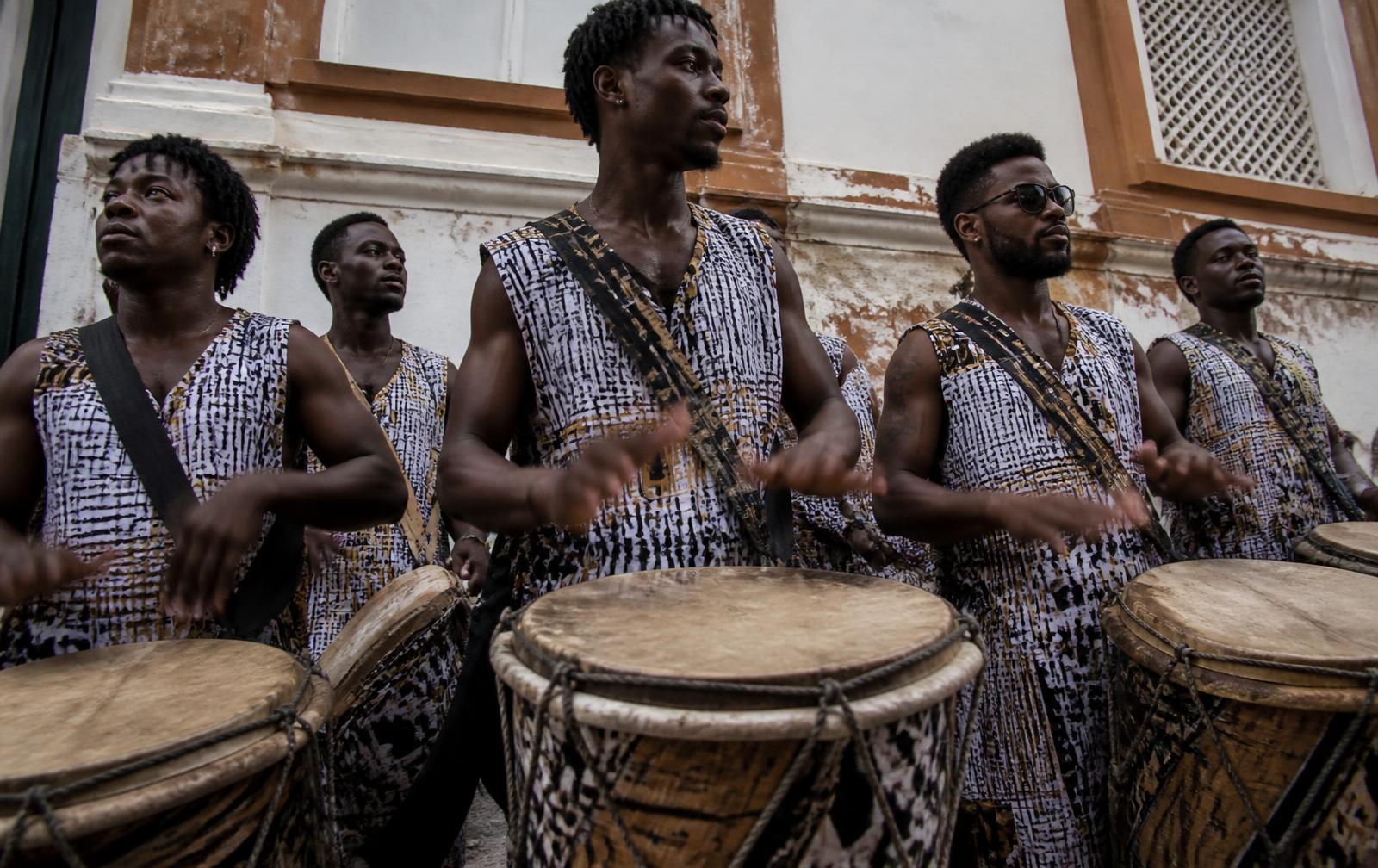
Afro-Brazilian Salvador
The museums, institutions and living practices that explain the city better than any postcard.

Where to Stay in Salvador: best areas for first-time visitors
Eight neighbourhoods, compared by beach, nightlife, history, restaurants and first-time suitability.