Afro-Brazilian Salvador
Salvador cannot be reduced to colonial architecture and beaches. A guide to the Afro-Brazilian heritage at the centre of the city's identity.
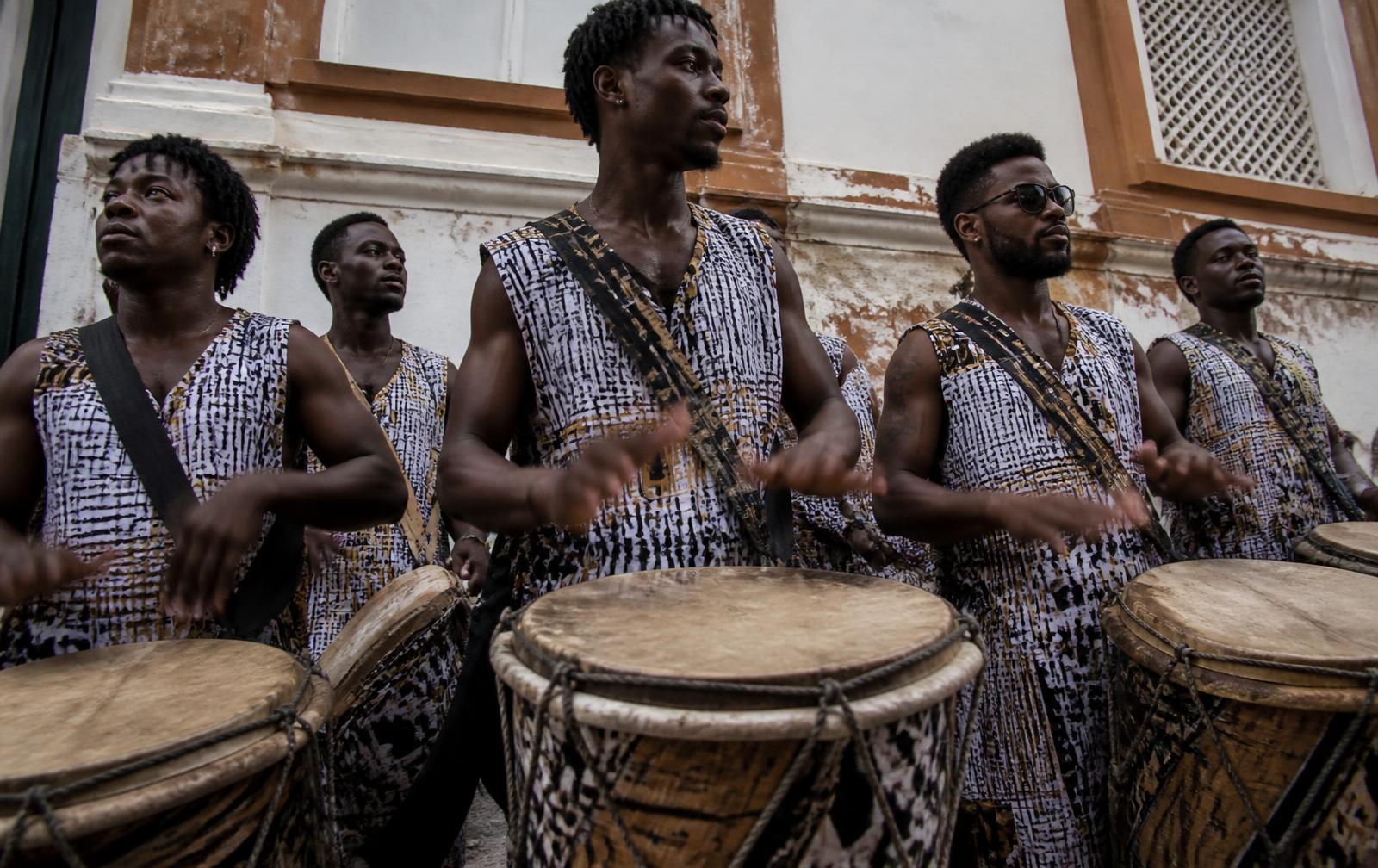
It is easy to visit Salvador and describe it as colourful. It is more accurate — and far more interesting — to say that this is one of the great Black cities of the Americas, where West African religious, musical and culinary traditions were preserved, transformed and defended under extreme pressure, and where they remain central to daily life.
Where to start
Museu Afro-Brasileiro
Terreiro de Jesus
A foundational collection on African heritage in Brazil, including work on the orixás.
MUNCAB — Museu Nacional da Cultura Afro-Brasileira
A national museum dedicated to Afro-Brazilian culture, useful early in a trip as a framework for everything else.
Casa do Benin
A cultural space connecting Bahia with West Africa, and a reminder that this is a two-way relationship.
Igreja do Rosário dos Pretos
Pelourinho
A church built by and for Black Catholics — an architecture of resistance as much as of faith.
Forte de Santo Antônio Além do Carmo
Santo Antônio
A fort associated with capoeira, with groups and cultural activity in and around it.
Living practice, not exhibits
Capoeira, percussion, samba and the blocos afro are not folklore staged for visitors; they are how communities organise, teach and celebrate. If you want to see them, look for authorised, community-linked activities and pay for them properly. Candomblé, in particular, should only be approached through authorised experiences, ideally mediated by local guides or institutions.
No invasive visits. No photographs of ceremonies without explicit permission. No treating religious spaces as backdrops.
Related reading
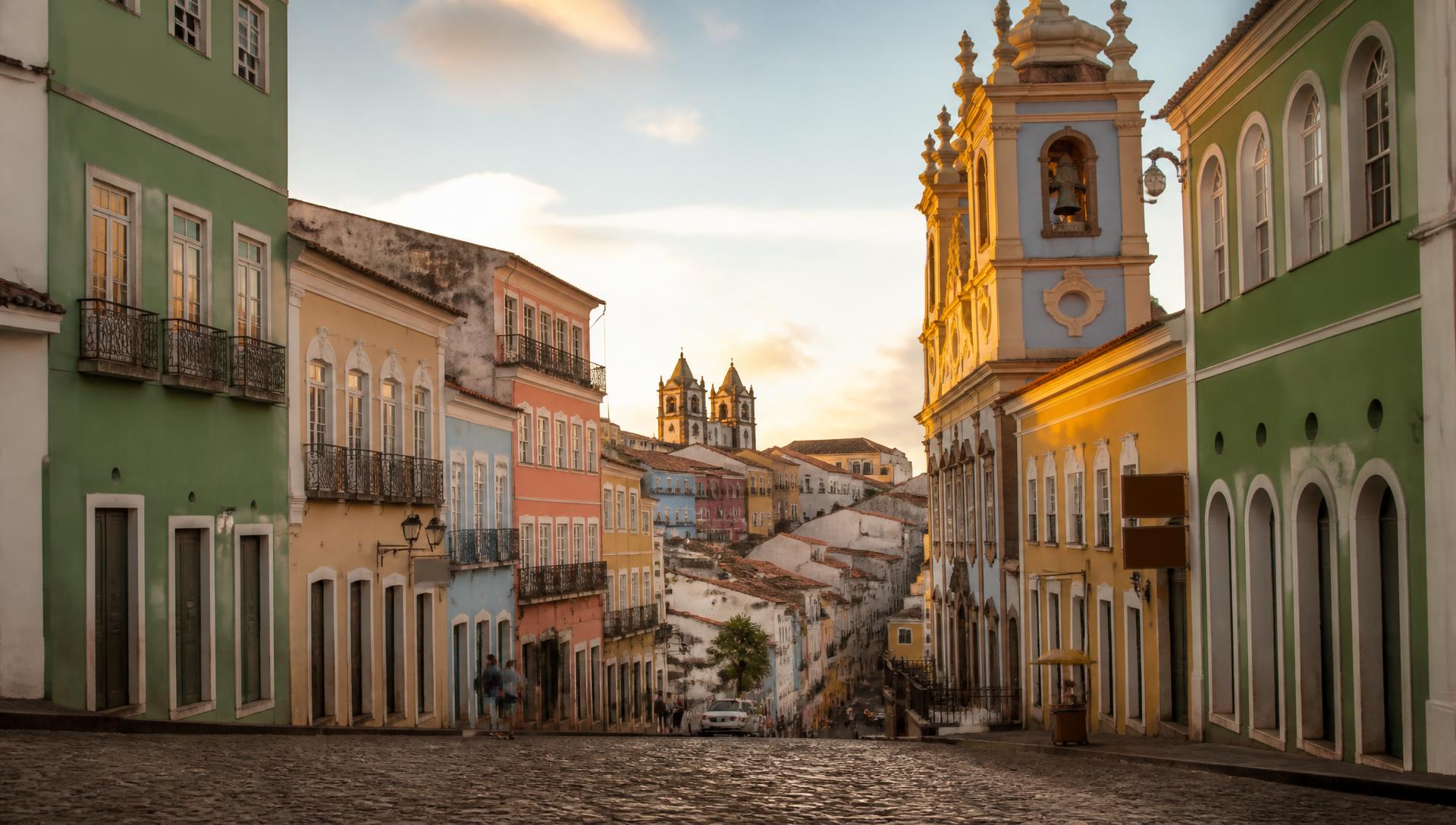
Historic Center & Pelourinho
The colonial core, walked in the right order — with the history that the facades do not tell you.
Music & Carnival
Salvador is a music city every month of the year, not only in Carnival week.
Museums & Culture
A short, curated list — quality over quantity, with the context each place gives you.